

Aged wines have a unique allure, captivating those who appreciate their intricate flavours and aromas. Wine enthusiasts find great satisfaction in the depth and complexity of aged wines, their tertiary notes, and how well the tannins and acidity have held up through the years.
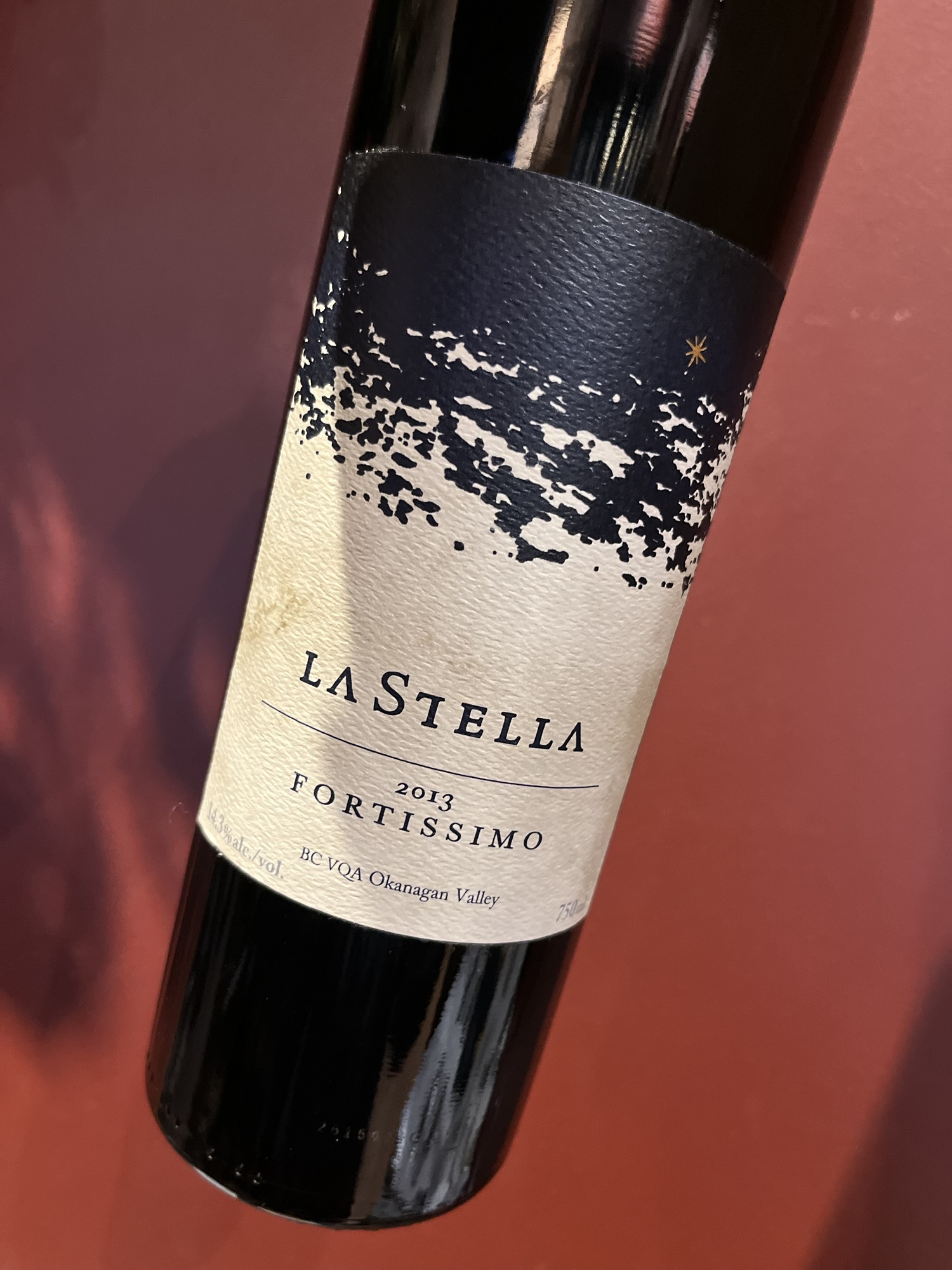
Here’s a remarkable vintage red that left a lasting impression. This 2013 Fortissimo from La Stella Winery in BC’s South Okanagan Valley was a stunning example of aged wine that is at its peak. A Bordeaux style blend of 49% Merlot, 21% Cabernet Sauvignon, 16% Sangiovese and 14% Cabernet Franc. The beautiful fine tannins integrated with the tertiary notes like stewed plum, dusty earth, baked dark cherries, some baking spices and just the right amount of acidity to lift this wine. Smooth and very lovely to sip on. I was pleasantly surprised!
But, those who are inexperienced with aged wine could buy a 10 to 20-year old wine and be expecting it to taste like last year’s vintage.
Not everyone knows that aged wines will develop tertiary notes of stewed and baked fruits, they will show softer tannins and sometimes less acidity. Especially if they’ve never tasted the difference between a newer vintage and an aged wine.
"Tertiary flavours are the complex aromas and tastes that develop in a wine as it ages, either in the bottle or the barrel. These flavours contribute to the wine's evolution and can reveal its aging potential, adding depth and character to the primary and secondary flavours."

Common tertiary flavours:
White wines: nutty, mushroom, honey notes, baked tree fruits like apricot
Red wines: leather, truffle, cigar box, tobacco, cedar, mushroom, forest floor, stewed fruits like plum or cherries
Ultimately, wine appreciation is a personal journey, and there’s immense confidence in discovering what resonates with your palate. I often try and explain this to the wine lovers needing assistance at a local wine shop I get to work at, “tertiary notes in aged wines are not everyone’s cup of tea, and that’s okay.”
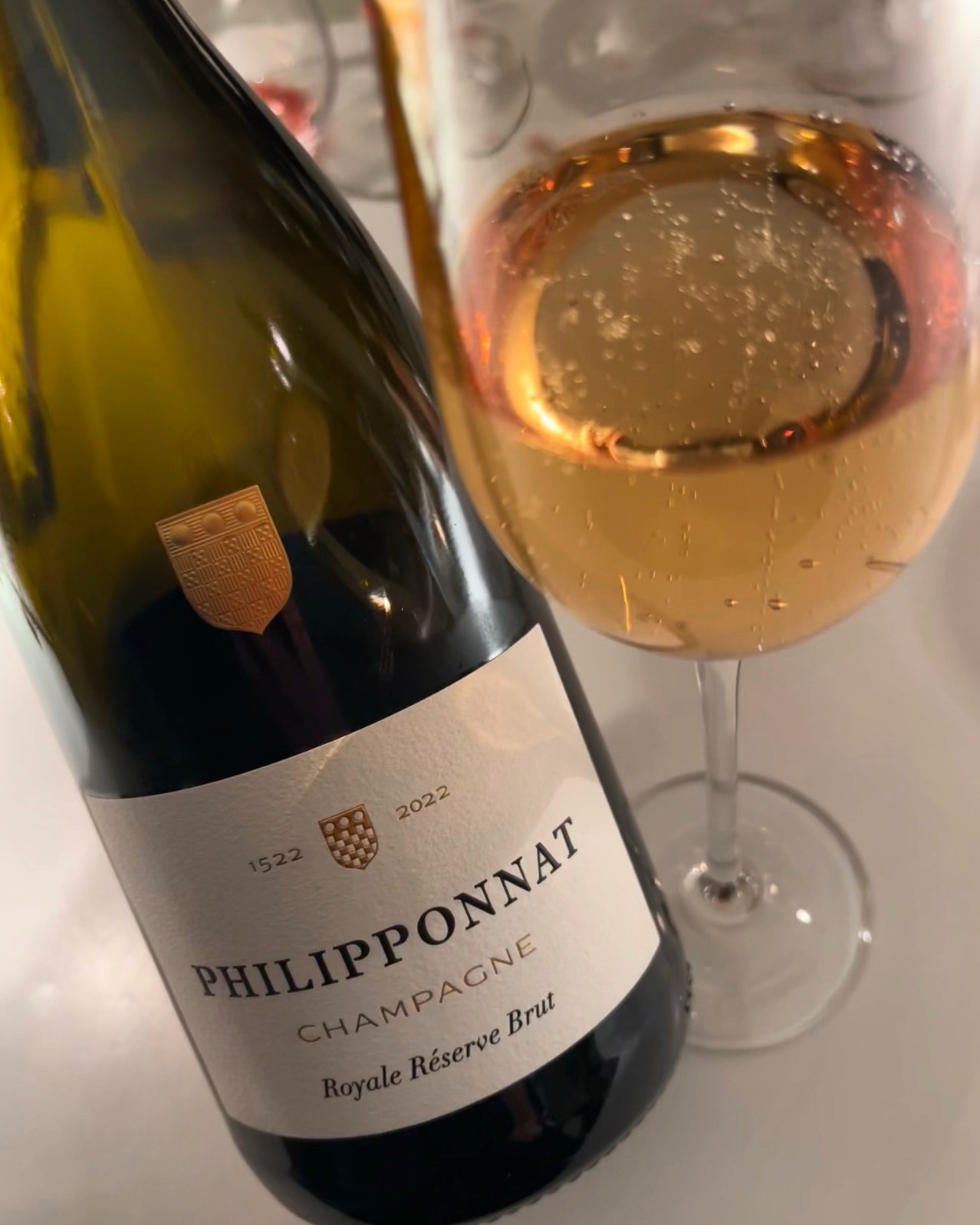
For New Year’s Eve, I indulged in a vintage champagne that offered a truly unforgettable experience. The 2017 Champagne Philipponnat was a stunner with a blend of 65% Pinot Noir, 30% Chardonnay, and 5% Pinot Meunier. The deep gold color alone shows its age with slight tertiary notes of honeycomb, chamomile and a light toasted note. A full-body champagne with a fine mousse. This wine incorporates 20 – 30% of reserve wines which are aged in wooden barrels using the solera system – giving this Champagne a beautiful uniqueness.
By sharing these two wines I recently enjoyed, I hope it helps anyone to gain more insight into aged wines and what they can expect to taste. The best way to get more familiar of course, is to buy and try. Taste testing is research and learning!
Until next time, keep exploring the world of wine!
Cheers, Donita

 Wine and Travel Concierge
One response to “Aged to Perfection? Why Vintage Wines Aren’t for Everyone”
Very informative!! Well done