

Let’s talk about the sparkling wine from the picturesque northeastern region of Italy, the proud homeland of Prosecco. This sparkling sensation has transcended its regional roots to become a globally adored style, cherished for its vibrant freshness, undeniable charm, and remarkable accessibility. From casual aperitifs to joyous celebrations, Prosecco’s lighthearted bubbles and fruit-forward profile have made it a beloved staple, offering a taste of Italian elegance that’s both easy on the palate and the wallet.
Prosecco’s widespread appeal stems directly from its delightful characteristics and approachable flavour profile. Unlike its more austere sparkling cousins, Prosecco typically boasts a light to medium body with a vibrant, refreshing acidity. The bubbles, often described as a “frizzante” (lightly sparkling) or “spumante” (fully sparkling), are generally softer and more frothy than the finer, more persistent bubbles found in traditional method sparkling wines.
The primary grape used in Prosecco is Glera, which makes up a min. of 85%, it’s a varietal known for its aromatic qualities. This translates into a highly aromatic wine with a predominantly fruit-forward and floral bouquet. The other grapes allowed to make up the balance of 15% are: Verdiso, Bianchetta Trevigiana, Perera, Glera Lunga, Chardonnay, Pinot Bianco, Pinot Grigio and Pinot Nero.
Common tasting notes for Prosecco include:
- Green apple: A crisp, refreshing tartness that is a hallmark of Prosecco.
- Pear: A subtle sweetness and juicy quality.
- Citrus: Notes of lemon, lime, and sometimes grapefruit, adding to its zesty character.
- White peach/Honeydew melon: Hints of stone fruit and a delicate sweetness.
- Honeysuckle/Acacia flowers: Distinctive floral aromas that contribute to its inviting perfume.
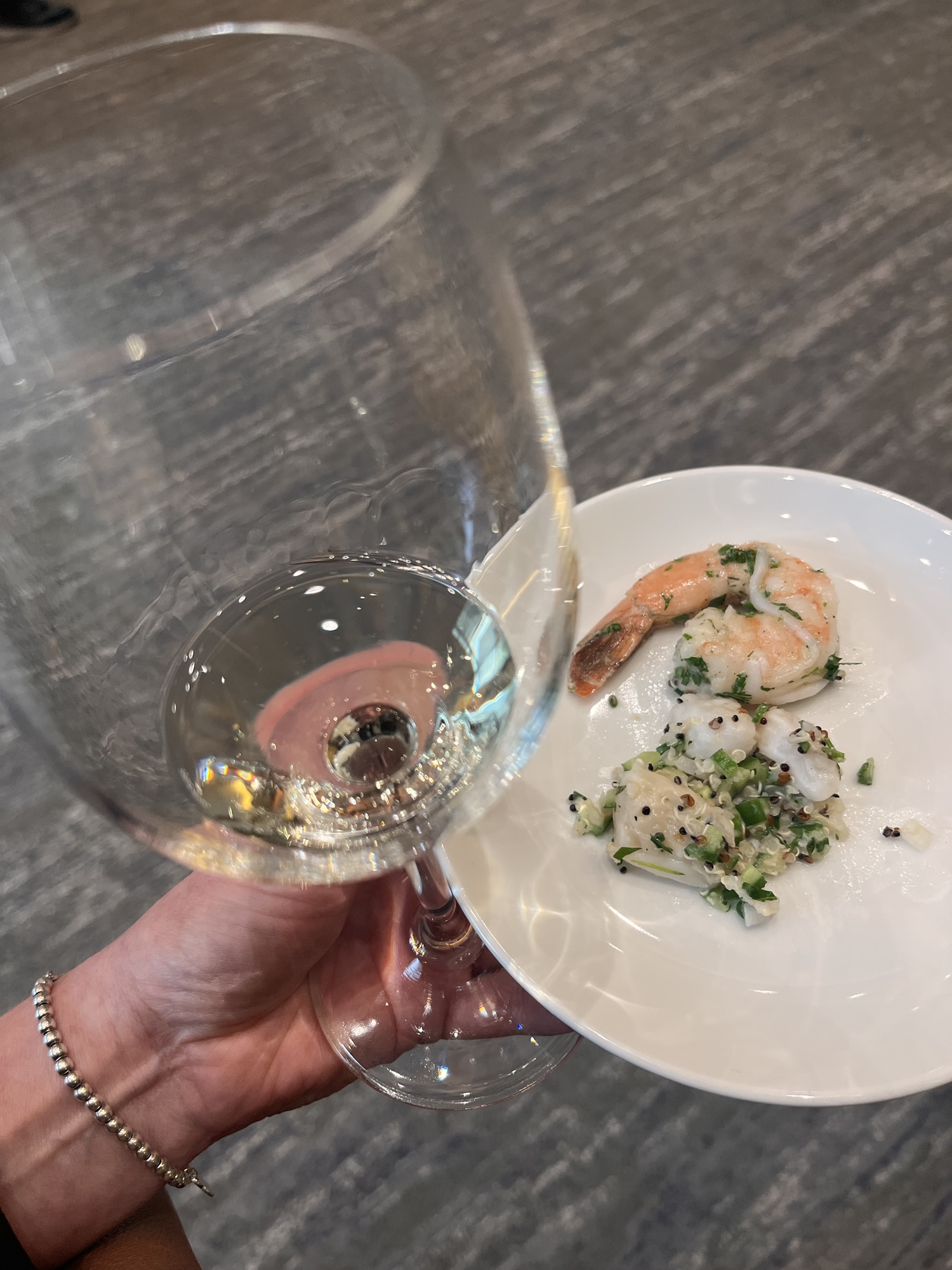
While often perceived as sweet due to its fruity nature, most Prosecco is produced in a Brut (dry) or Extra Dry (off-dry) style. It’s the inherent fruitiness of the Glera grape that gives the impression of sweetness, even in drier versions. This balance of fruit, acidity, and gentle effervescence makes Prosecco incredibly versatile, equally enjoyable on its own as an aperitif, or as a lively companion to a variety of foods.
While sparkling rosé wines have been crafted in Italy for some time, Prosecco DOC Rosé is a relatively new and officially recognized category. It wasn’t until May 2020 that the Consorzio Tutela Prosecco DOC, after years of discussion and a growing global demand for rosé, finally approved the production specifications for this pink iteration. This means that producers can now officially label their Glera-based rosé sparkling wines as “Prosecco DOC Rosé,” adhering to strict regulations that include a minimum of 85% Glera grapes blended with 10-15% Pinot Noir (Pinot Nero) vinified as a red wine, and a longer secondary fermentation in the Charmat tanks of at least 60 days. The first bottles of this delightful pink bubbly began hitting markets in early 2021, instantly becoming a popular choice for those seeking an approachable and elegant sparkling rosé.

The distinct character of Prosecco is largely thanks to its production method: the Charmat method, also known as the Martinotti method. In this process, after the initial fermentation creates a still base wine, the secondary fermentation (which produces the bubbles) takes place in large, sealed stainless steel tanks, or “autoclaves.” A mixture of sugar and yeast (the liqueur de tirage) is added to the base wine in these tanks, where the carbon dioxide produced by the yeast dissolves into the wine under pressure. Once the desired effervescence is achieved, the wine is filtered under pressure to remove the yeast sediment and then bottled, preserving its fresh, fruit-forward aromas.
This stands in stark contrast to the Traditional Method (or Méthode Champenoise), famously used for Champagne. With this more labor-intensive approach, the secondary fermentation occurs directly within each individual bottle.
I recently had the pleasure of tasting several impressive Prosecco DOCs at a Consorzio Tutela Prosecco DOC trade event and masterclass in Vancouver:
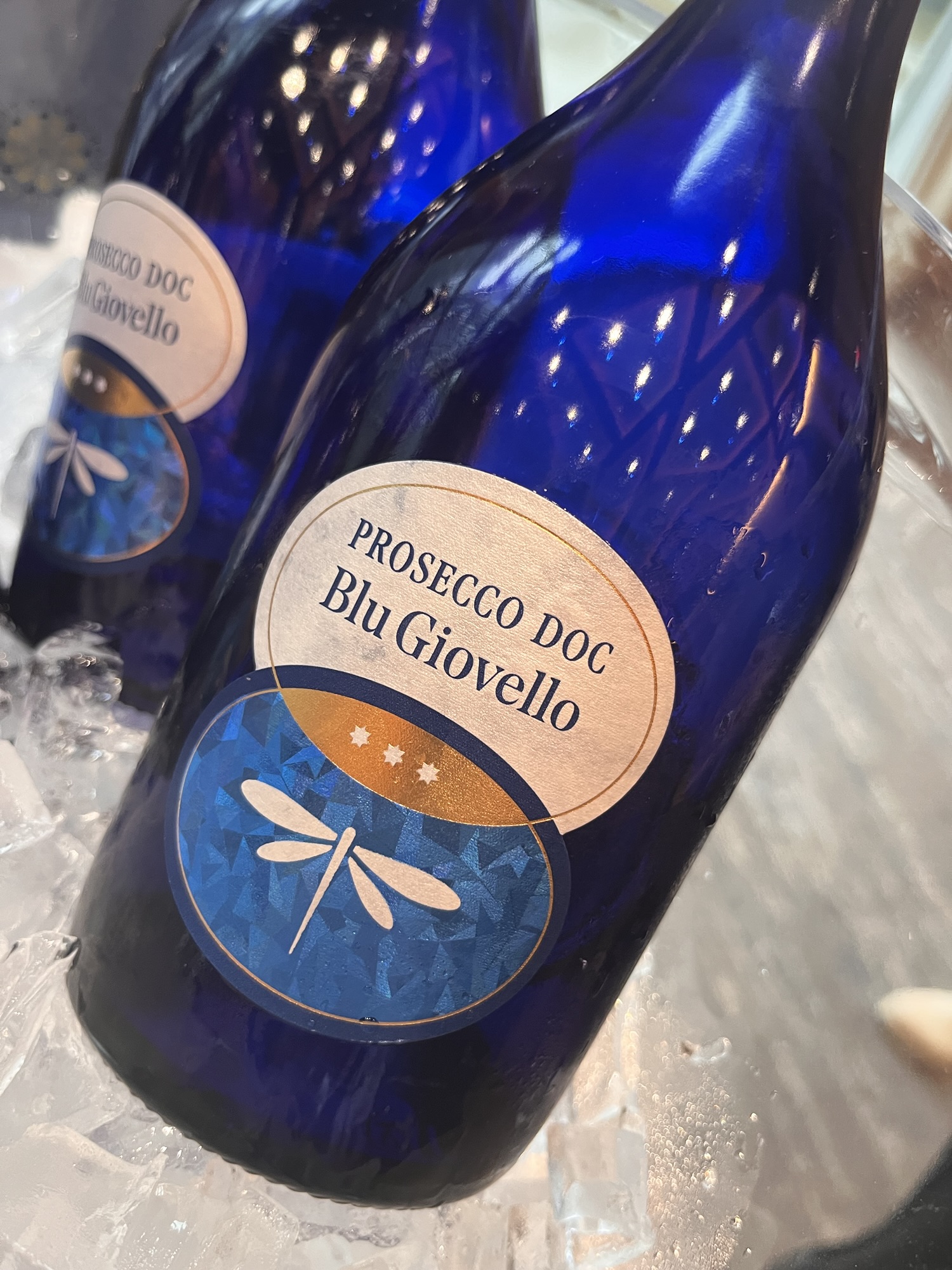

Blu Giovello Prosecco DOC Frizzante – bright, juicy, floral, crisp orchard fruits (pear/green apple). 15 g/l. 11% alc., 100% Glera. Semi-sparkling, helps to round out the profile.
Bottega Prosecco DOC Brut ‘Bottega Gold’ – fresh, light on the palate, dry, pear, floral notes. 85% Glera, with Chardonnay and Pinot Nero. 12 g/l. Short period of lees contact.
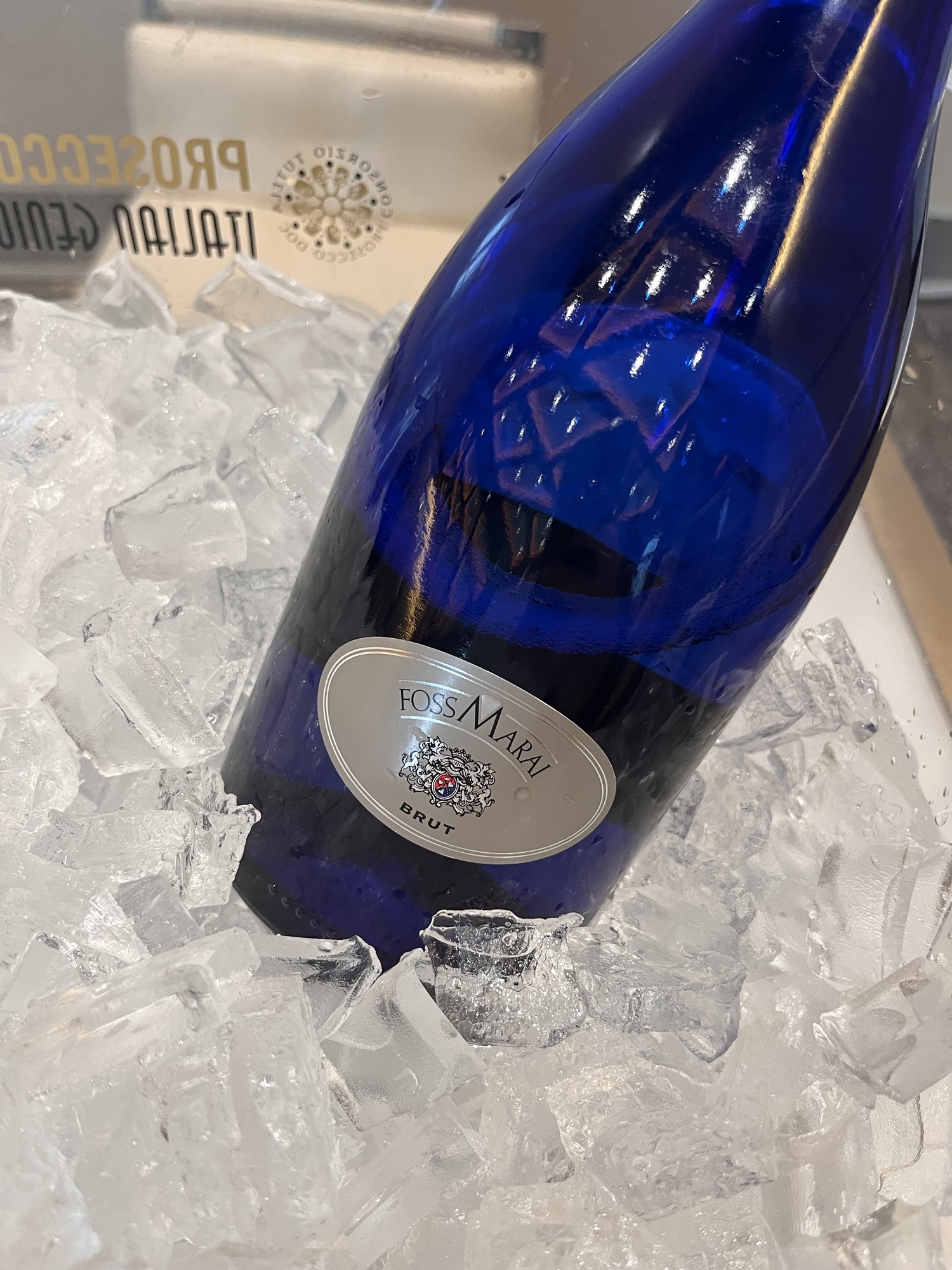
Foss Marai Prosecco DOC Brut ‘Blue Bottle’ – Notes of green apple, crisp, orchard fruit, white crisp stone fruit. Brut, 10 g/l 11% alc.
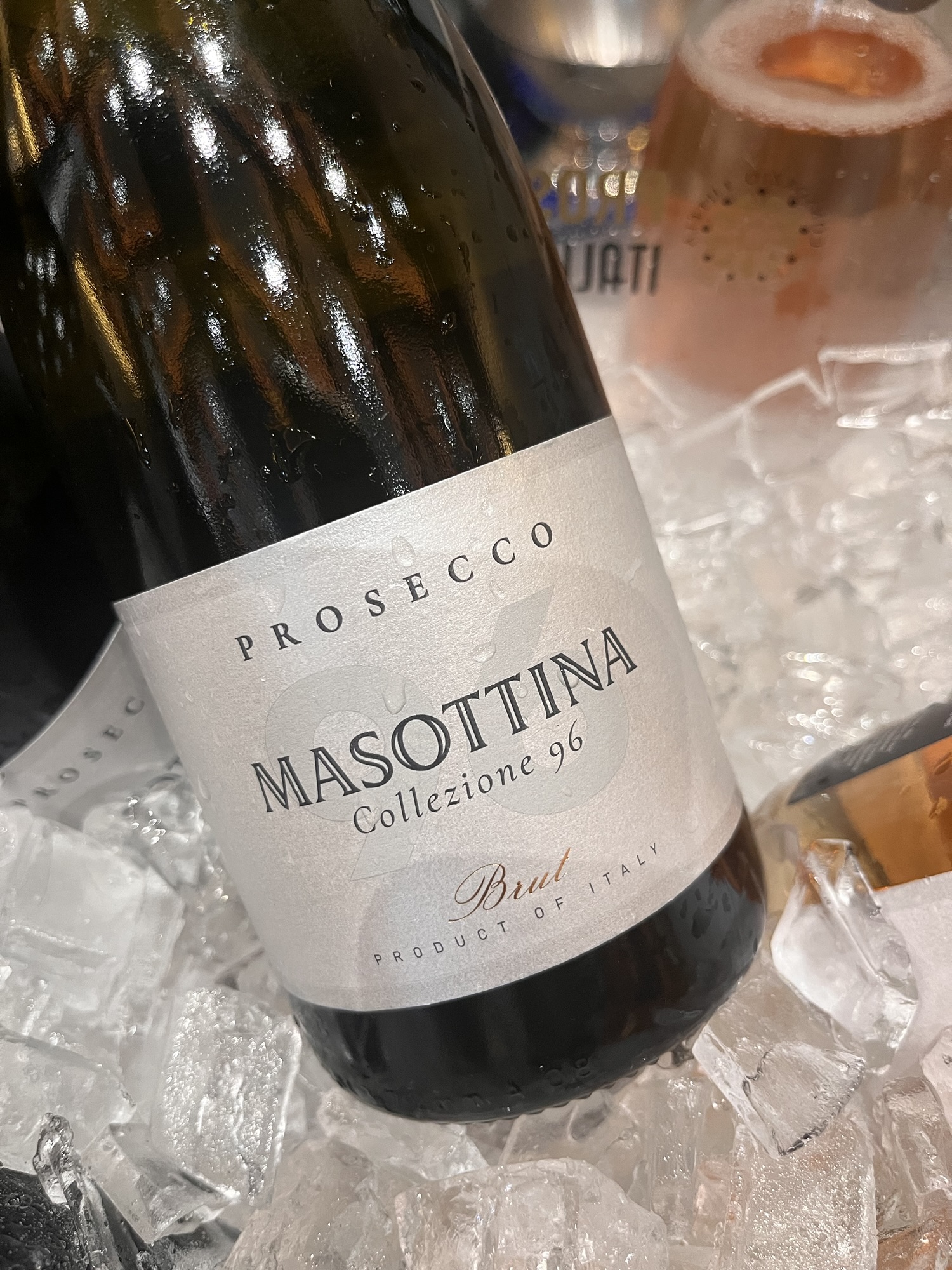
Masottina Prosecco DOC Treviso Brut ‘Collezione 96’ – Notes of chamomile, herbal backbone compliments the orchard stone fruits. Brut. 9 g/l, 11% alc. *This was a stand out for me, as was their Prosecco DOC Rosé Brut Millesimato 2020.
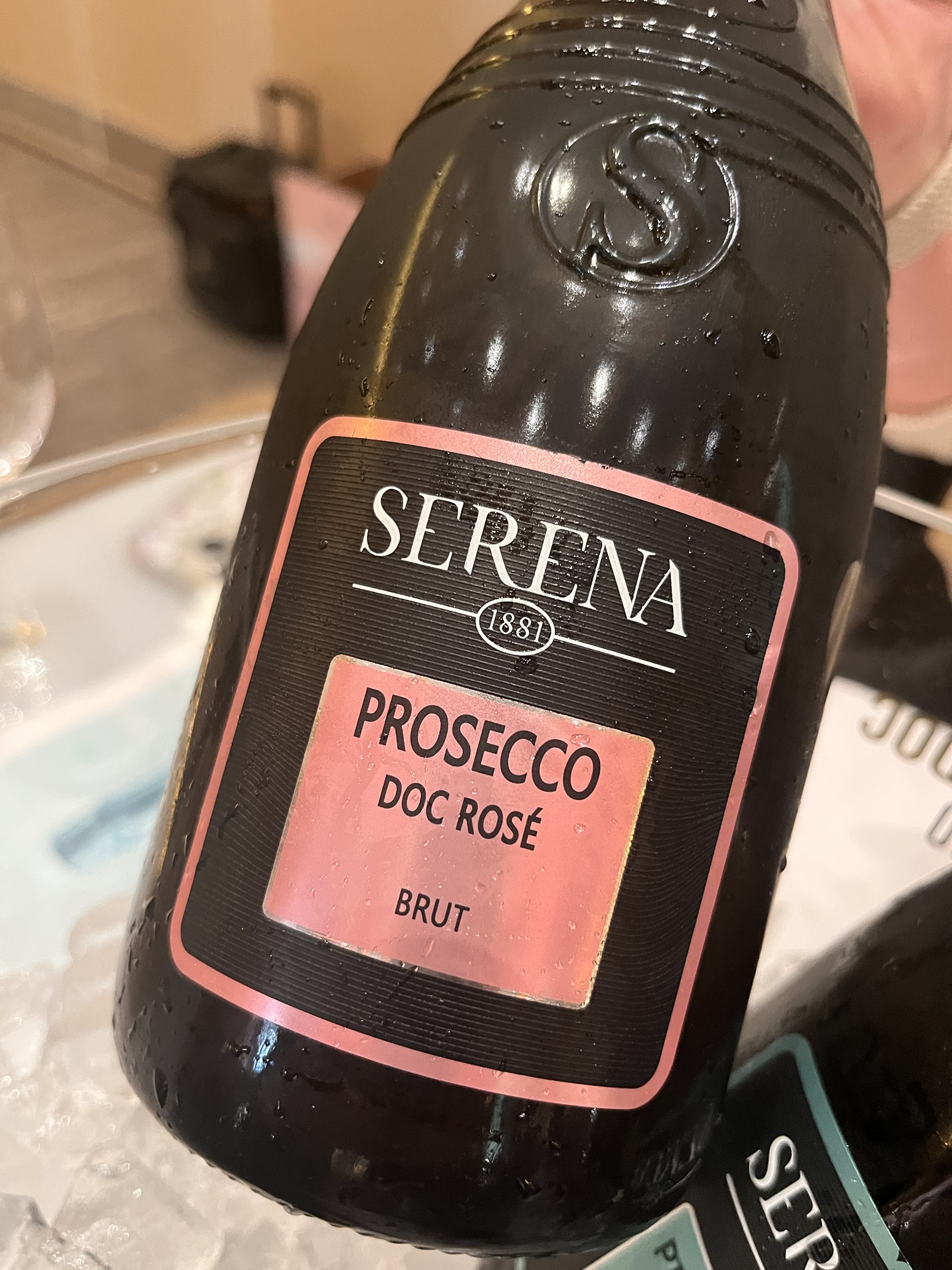
Serena Prosecco DOC Rosé Treviso Brut – Red fruits, herbacious – subtle, soft red apple, acidity stand out. 88% Glera with Pinot Nero. 12 g/l, 11% alc. Different than the typical profile.
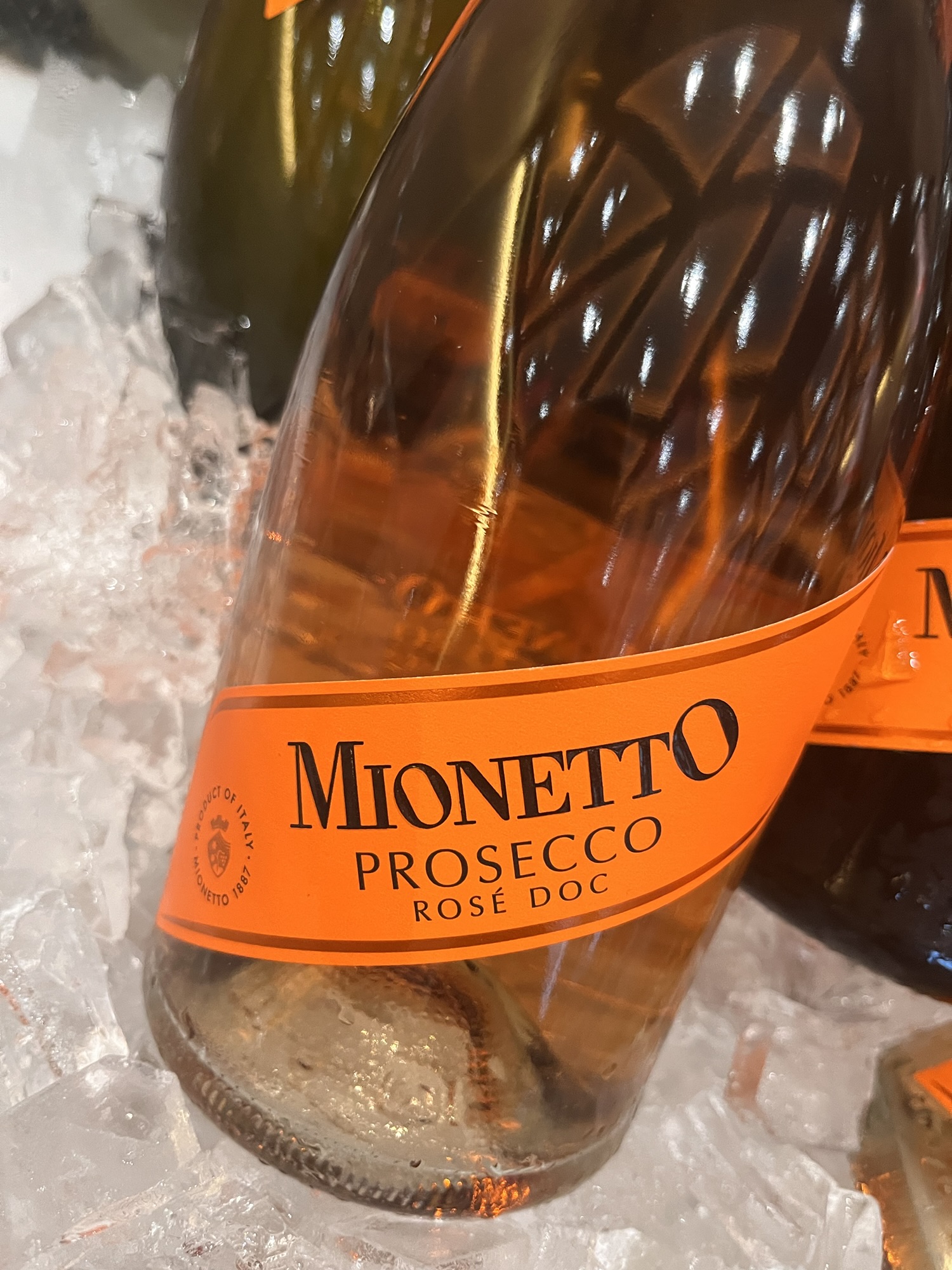
Mionetto Prosecco DOC Treviso Brut ‘Prestige’ Rosé – Crisp, soft red fruit, hint of flowly fresh notes. 100% Glera. 11 g/l,11% alc.
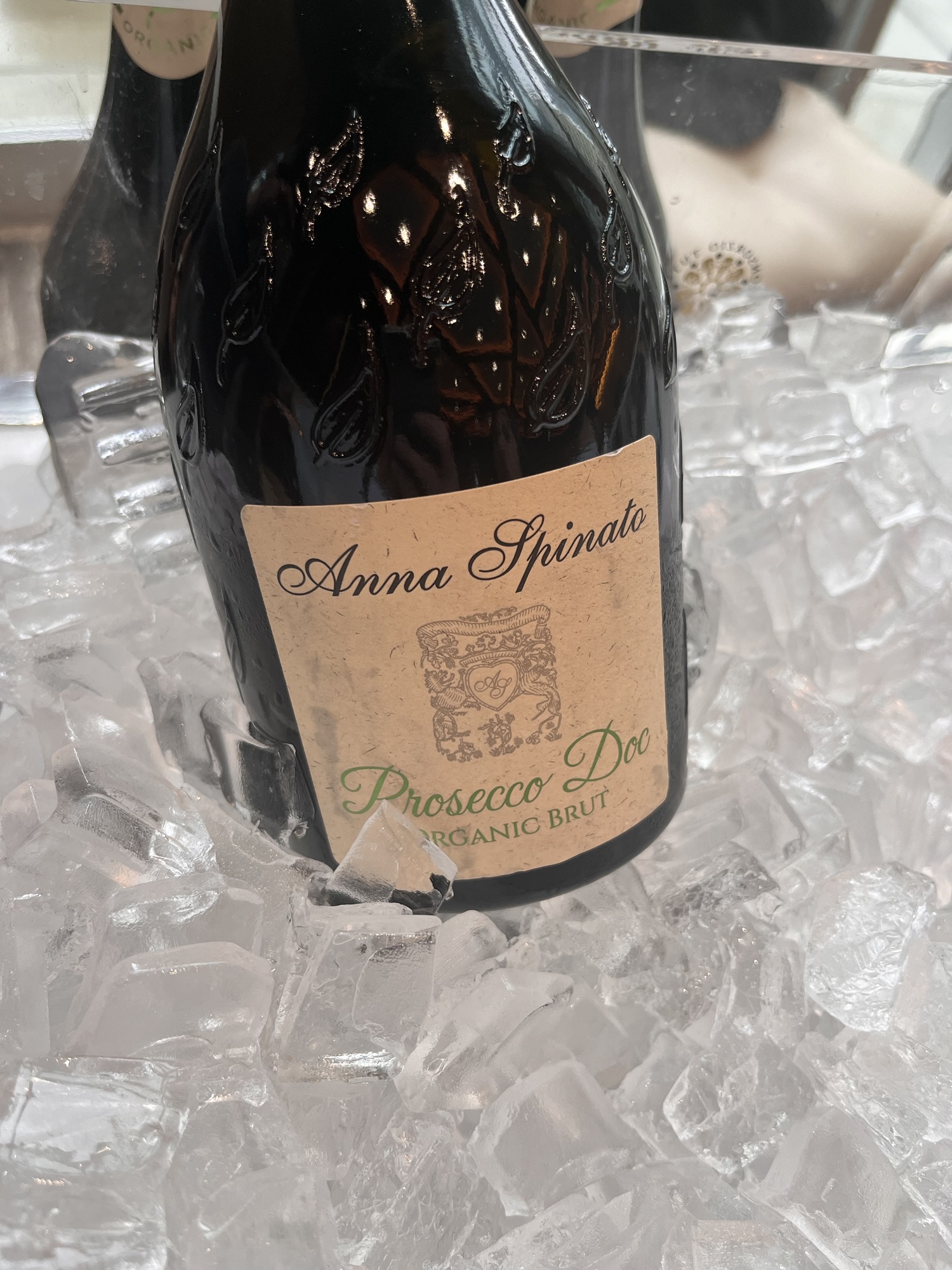
Anna Spinato Prosecco DOC Bio Brut – Light, flowy and floral, fresh breeze, soft orchard fruit. 100% Glera. 10 g/l, 11% alc. *Surprisingly elegant, this was one of my favourites tasted.
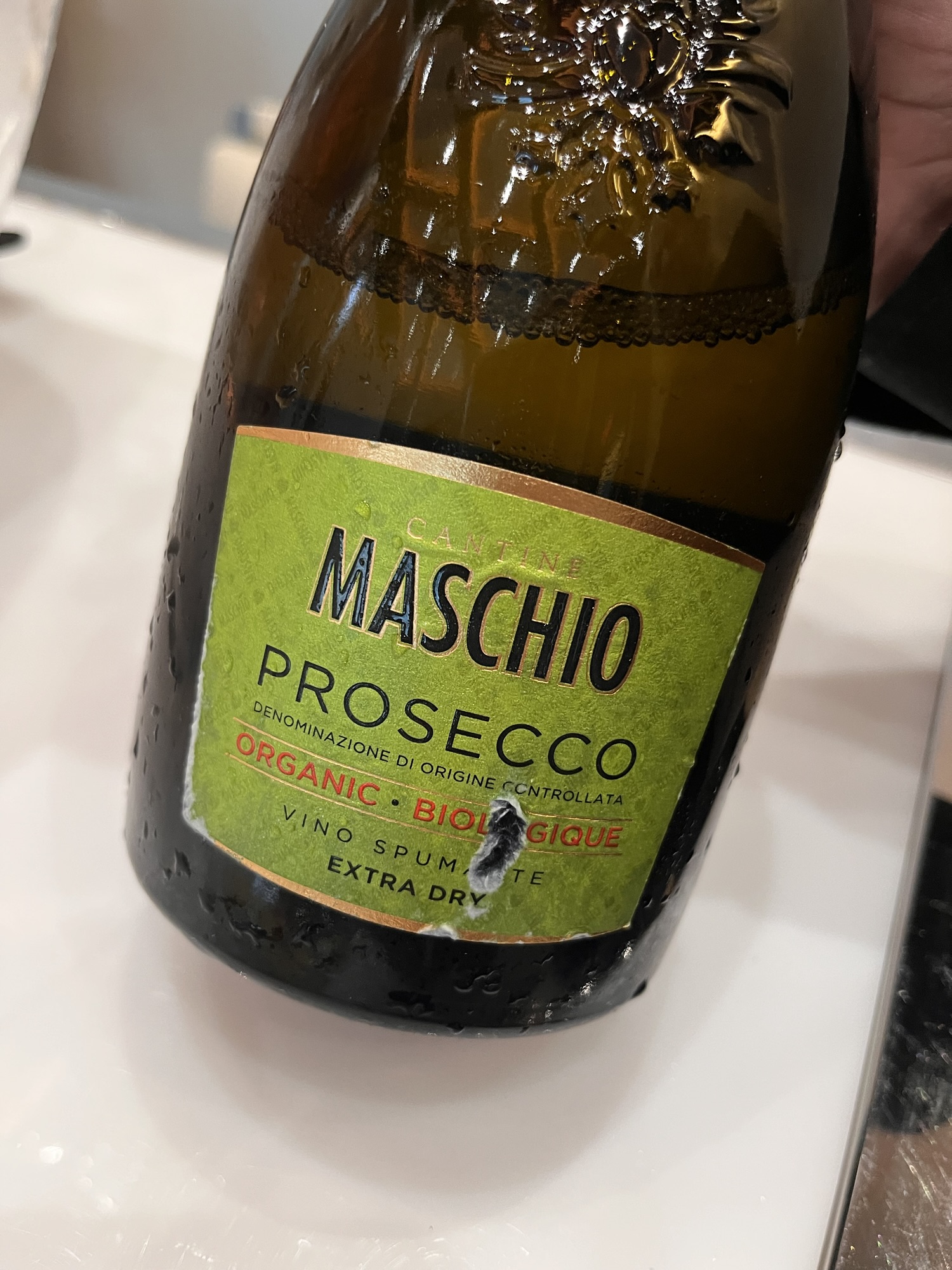
Cantine Maschio Prosecco DOC Bio Extra Dry – Stone and orchard fruits, acidity is balanced, yellow floral and fruits, mousse like bubbles. 13 g/l, 11% alc. *This was very nice & so was their Rosé Extra Dry Millesimato.
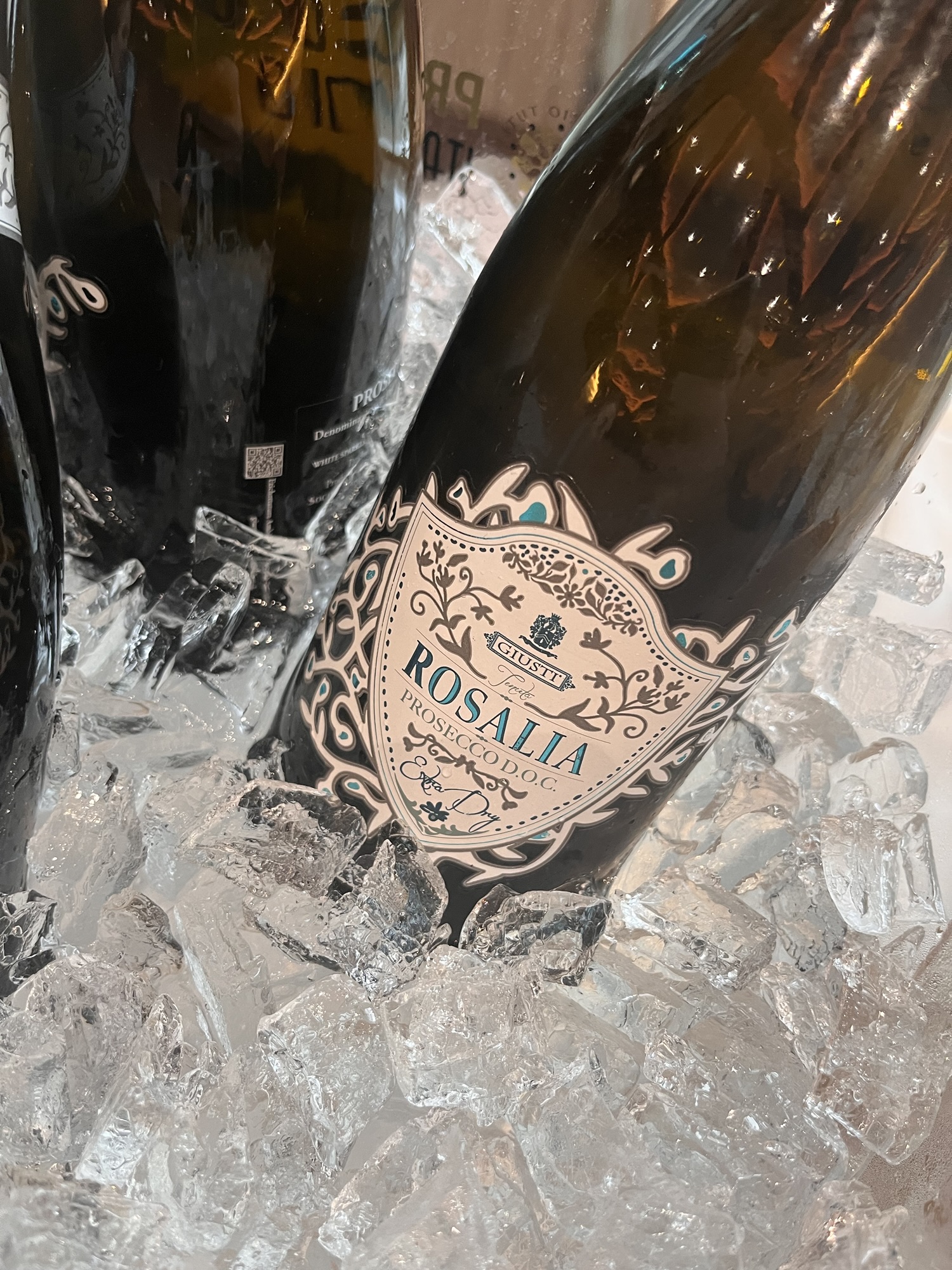
Giusti Wine Prosecco DOC Treviso Extra Dry ‘Rosalia’ – Round fruit style, balanced with acidity, soft orchard fruits with light yellow floral notes. 100% Glera. 15 g/l.
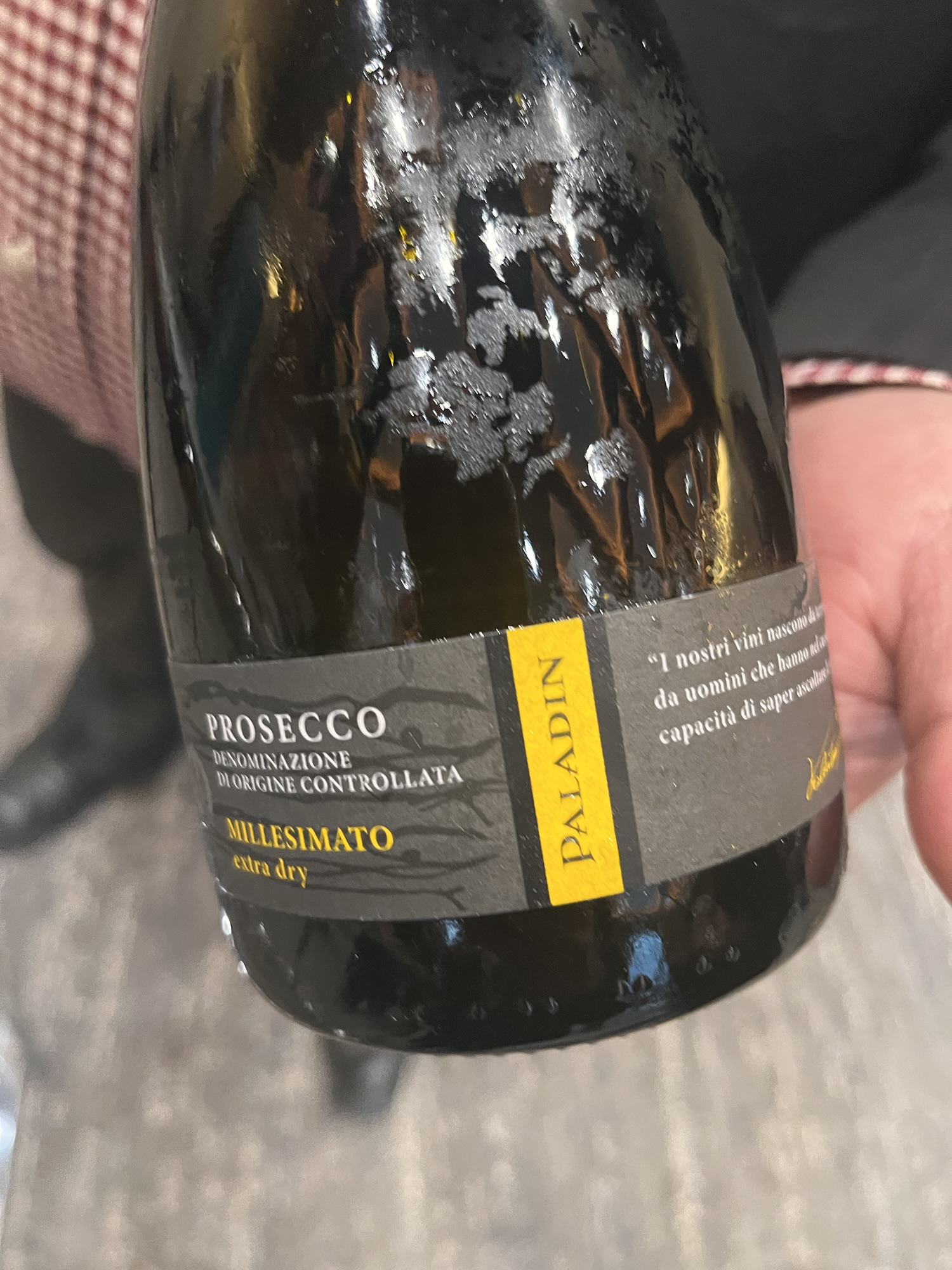

Paladin Prosecco DOC Millesimato 2022 Extra Dry – Refreshing, balanced, light orchard fruits, vintage Prosecco – a very unique category. 14.5 g/l, 11% alc. *I also enjoyed their Prosecco DOC Rosé Brut Millesimato 2023.
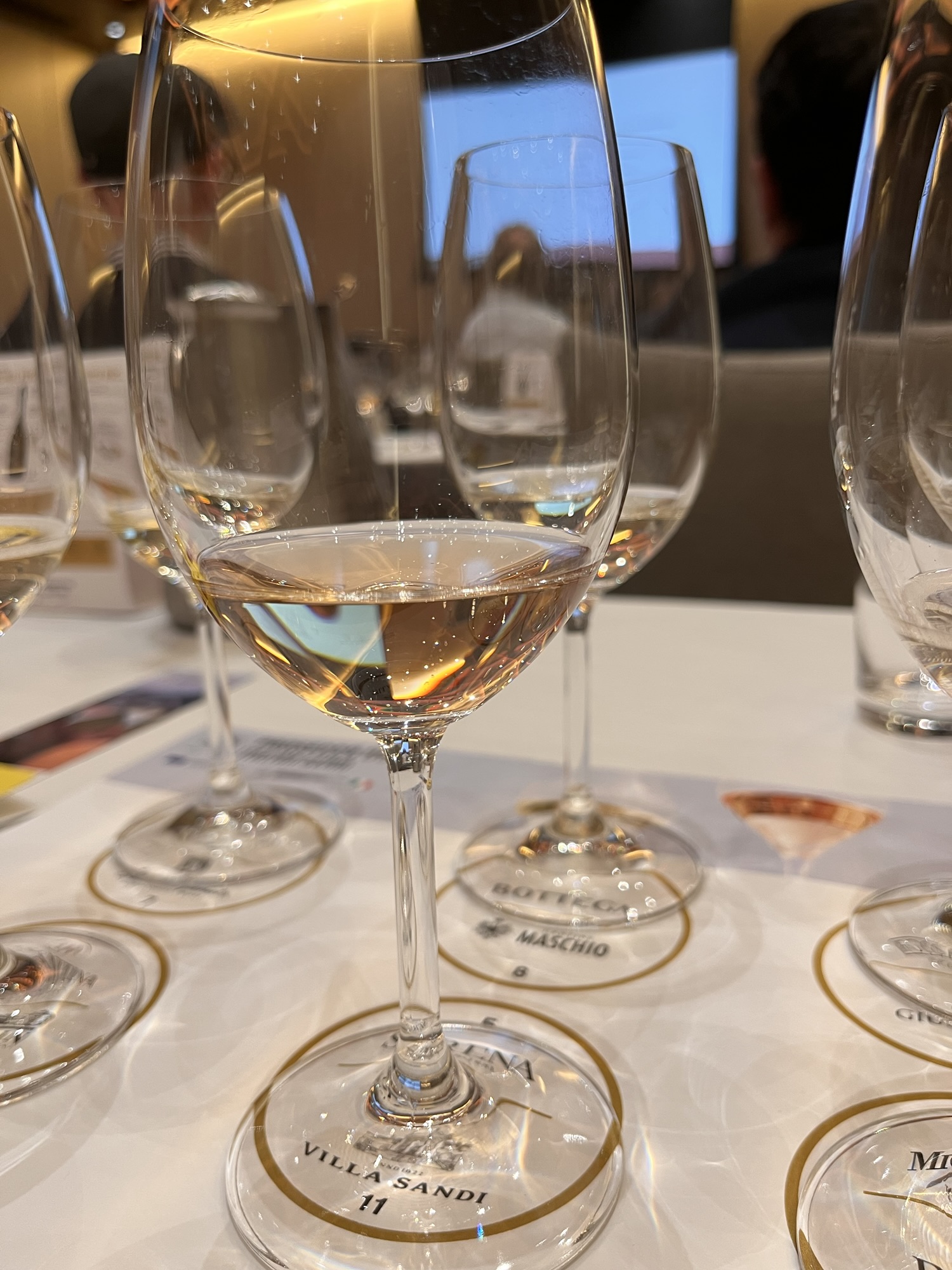
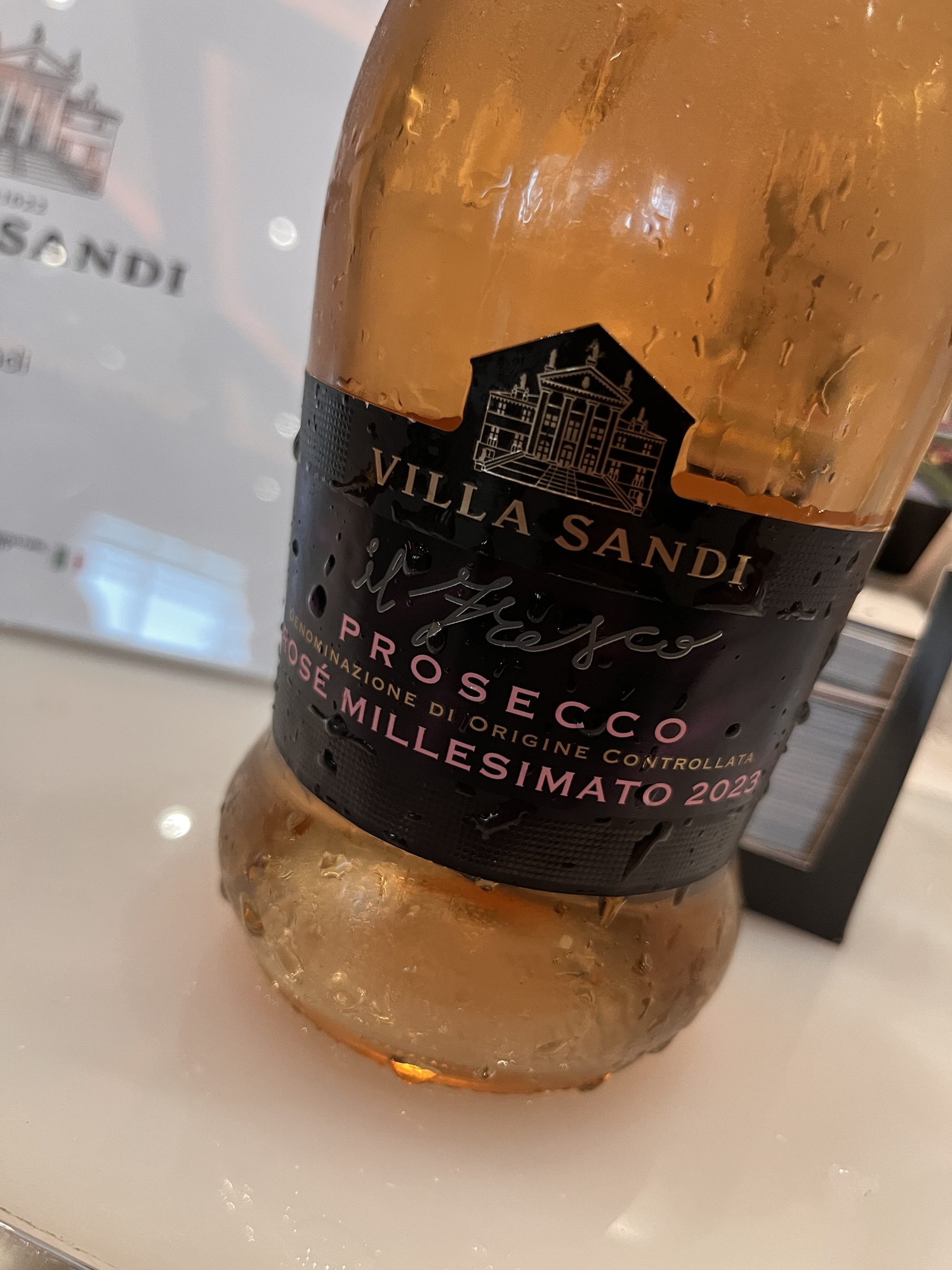
Villa Sandi Prosecco DOC Rosé Millesimato 2023– Red fruits, herbacious (from the Pinot Nero), underbrush, 2 months on lees, rounds out and softens on the palate. 85% Glera with Pinot Nero. 10 g/l, 11% alc.
Ponte Campe Dhei Prosecco DOC Millesimato Brut – Fresh, similar to the above tasting, pretty, nice acidity. 100% Glera. 15 g/l, 11% alc.
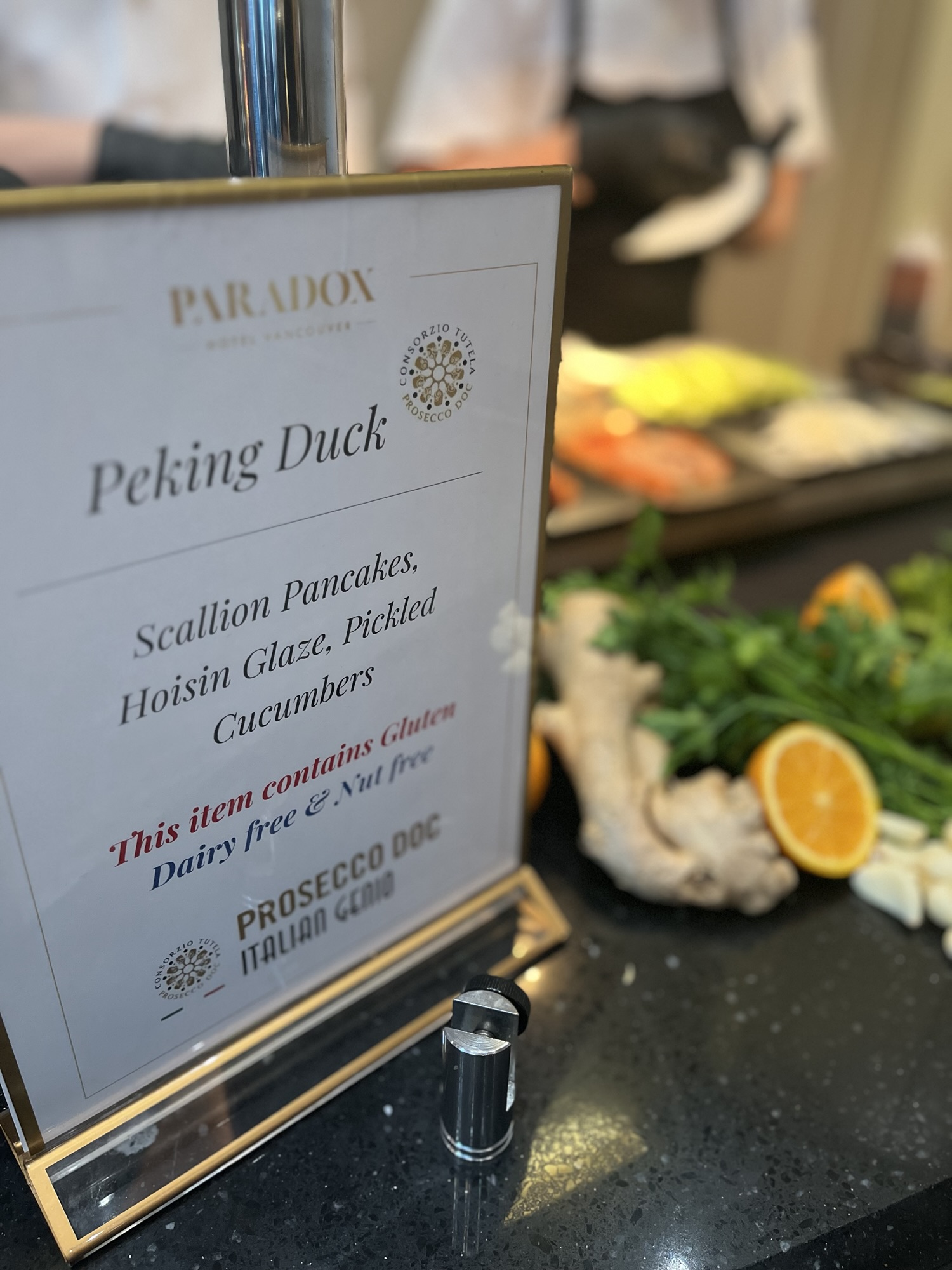
Prosecco Fun facts: There are 1046 wineries, 362 Wine Houses, 80% of Prosecco is exported – 52% to the US, UK and Germany, 4th is France and 5th is Canada. Very food friendly – pairs well with salty snacks. 61% made is usually 3-6 g/l (Extra Dry), 33% is 12-17 g/l (Brut). Organic and sustainable practices is becoming more prominent in the region, currently there are 6-7% producers doing this.
#ProseccoDOC #ProseccoDOCRosé
As always, I hope you found this interesting and you’ll keep exploring sparkling wines such as Prosecco. If you are travelling to Italy and you need more information about the region – visit: Consorzio Tutela Prosecco DOC. Happy researching!
Until next time, Donita

 Wine and Travel Concierge